
.svg)
Timely directs 40% of phone queries to Help Center and boosts CSAT with Zendesk
Timely needed more structure and speed in its support workflows. With SuccessCX, it unlocked more of what Zendesk could do—enabling self-service, adding new channels, and routing tickets more intelligently. Agents now resolve issues faster, CSAT is up, and the pressure on the team has eased. With a calmer queue and better visibility, the team can focus on more improvements. Most importantly, Timely is now set up to scale—without increasing operational costs.
“The tangible story that data tells is phenomenal. We could clearly see the difference that some of these Zendesk features—and how we’ve implemented them—have made. Our executive team now sees the reports created by SuccessCX as the go-to for tracking progress.”
Head of Global Support and Organisational Risk, Timely
“All of these new Zendesk features helped us to calm the operational environment down and start to actually look at quality work rather than fighting fires.”
Head of Global Support and Organisational Risk, Timely
Industry
Information Technology
Headquarters
Dunedin, New Zealand
180
employees
55,000
users globally
30%
decrease in ticket volume
50%
decrease in phone call volume
100%
work-life balance satisfaction
50%
reduction in query resolution time
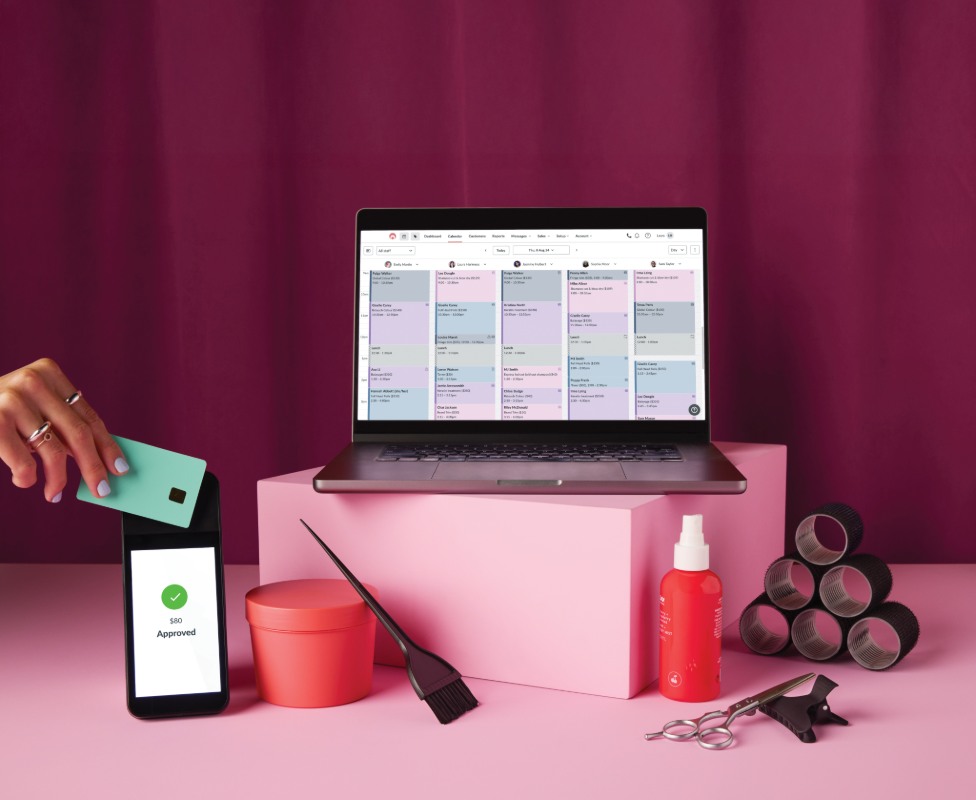
For hair and beauty professionals, managing bookings and payments is just a few of the things they have to juggle on a busy day. Timely, an EverCommerce (NASDAQ: EVCM) solution, is a booking and payments system with a clear purpose: Passion over Admin. From first booking to final payment, Timely gives over 27,000 hair and beauty businesses worldwide the freedom to run things their way. By automating the day-to-day, it helps elevate the client experience and puts time back in the hands of business owners.
So, when an issue arises, the impact can be immediate. Missed bookings can mean lost income and unhappy clients. That’s why Timely’s distributed Global support team across the UK, Australia, and New Zealand works around the clock to keep everything on track for their customers.
A growing business and the Support Experience
As Timely grew, its early support model—built for a smaller team—began to strain under pressure. The hands-on, phone-first approach had worked well at first, but rising ticket volumes made it harder to keep up. The leadership team quickly saw that to maintain high service standards, they’d need a setup that was more structured—and more scalable. “Our early model was built on agility. Agents jumped in to help customers however they could, and that worked when we were small,” says Lisa Kerr, head of global support and organisational risk. “But you can’t deliver exceptional service if your team is burnt out or disengaged. People need to understand the mission and feel supported in their work.”
As volumes rose, the team was stuck trying to meet immediate customer needs while also laying the groundwork for long-term growth. “We had the dual focus of supporting our current customers while strategically designing the systems that would support our future growth,” adds Kerr. “Our goal was to move from a reactive footing to a well-structured, scalable support model—one that served both staff and customers.”
A partner to accelerate scale
At the time, Timely was only using Zendesk in a limited way—mostly for email, with some basic phone integration. The team decided it was time to go all in, but that came with its own challenges. They needed a setup built for scale—something that would let agents support more customers over time without growing the team. They also had to keep the realities of the industry in mind—with a large neurodiverse customer base, accessibility had to be baked into every interaction. “We realised we needed external expertise to tackle these challenges, move faster, and get sharper in our execution,” says Kerr. That’s when they turned to SuccessCX.
It all started with a health check. SuccessCX took a deep dive into Timely’s Zendesk account—reviewing how it was configured, how the team was working, and what needed to change. “SuccessCX helped us weigh benefits, risks, and long-term direction,” shares Kerr. “They also guided us through best practices relevant to the industry, brought us insights about what customers look for now and into the future, and quickly helped us deliver something we’re proud of.”
More balance in ticket volumes
Together, Timely and SuccessCX built a new support environment from the ground up. Launching a Help Center that diverts a significant portion of incoming queries, it’s now easier for customers to find answers to their questions. Instead of a static web widget, customers now interact with a chatbot that surfaces relevant articles and suggestions, often solving the issue before needing to create a ticket. “We also have a custom help form, injected with contextual help articles and structured in a way that supports effective triage,” notes Kerr.
Timely introduced messaging as a new scalable support channel, allowing agents to manage multiple conversations at once—unlike phone calls, which demand 1:1 attention. Rather than one long queue of unassigned tickets, they began segmenting tickets by category type, subtype, channel, and risk, diversifying the approach and leveraging agent skills. “Our goal was to minimize context switching, play to each team member’s strengths, and create more focus across the team,” says Jessica Pike, customer support lead at Timely.
Zendesk also began routing tickets based on agent skills, helping specialists receive and resolve the right query faster. “Zendesk’s prioritization capabilities have been really powerful. The platform now enables things we simply couldn’t do before,” adds Kerr. Internally, they launched a knowledge base to speed up onboarding and improve consistency across the team. And with SLAs now in place, agents gained clear targets for response and resolution times, removing ambiguity and setting a new standard for service.
Less work, faster responses, happier customers
It didn’t take long for the changes to show up in the numbers. Timely now sees fewer tickets coming in despite strong customer growth. “Between January 2024 and January 2025, overall ticket volume fell by 30%. At the same time, our self-service score climbed—proof that more customers are finding what they need without ever contacting support.”
With fewer incoming tickets, an optimised support function, and better tools, Timely agents now serve customers much faster. “The feedback we hear most often from customers is how quickly we’re now able to get back to them and resolve their issue. That’s been the most noticeable improvement in their experience,” shares Pike. This is reflected strongly in consistently high customer satisfaction scores. “Our CSAT scores have now surpassed what they were before we launched these changes. That was always our long-term goal: to deliver a better experience for customers in a way that also works for the team,” adds Pike.
Happier team, improving continuously
With fewer tickets and more control, Timely’s support team finally has space to breathe. “Enabling customer self-service and improving the efficiency of our channels has had a big impact on the team’s well-being. With lower daily volumes to manage, everyone has the space to do their best work,” Kerr shares.
The company’s internal culture survey revealed that the Global support team scored 100 for work-life balance and 100 for opportunities to develop the skills relevant to their role or specialization—something Kerr linked directly to the changes and optimizations made in Zendesk with the help of SuccessCX.
With the day-to-day optimized, the team has been able to shift focus toward longer-term improvement. One of the biggest enablers has been reporting. SuccessCX helped Timely centralize all their key metrics—lead indicators, lag indicators, and end-of-year targets—in one place. “This has helped the team shift from reactive to proactive service, letting them continuously improve and mature as an organization,” shares Paul Bichsel, founder and chief executive officer at SuccessCX. “Customer service is now feeding directly into product improvement. Because they’re on the front lines, they can identify bugs and customer pain points and pass that on to the product team. That feedback loop has become a real competitive advantage.”

Staying future-focused and people-first
In the end, Timely got what they were after: scalability. “With Zendesk, we’re able to scale customer service without increasing our operational costs,” adds Kerr. The support team is now focused on expanding their use of artificial intelligence (AI), refining the Help Center, and evaluating Zendesk’s workforce planning features to support their round-the-clock support model. “Our staff have seen what Zendesk can do, and now they’re excited to keep building something that’s truly brilliant,” concludes Kerr.